Gen AI Research
Reimagining architectural layouts with AI
Introduction
Architects often refer to past site plans when designing new ones, using them as sources of inspiration and solutions. These precedents hold valuable design knowledge that can guide spatial decisions. This study demonstrates that with the help of Al, especially generative models, this knowledge can be learned, internalized, and applied to create effective and context-aware site plans.
User Interface
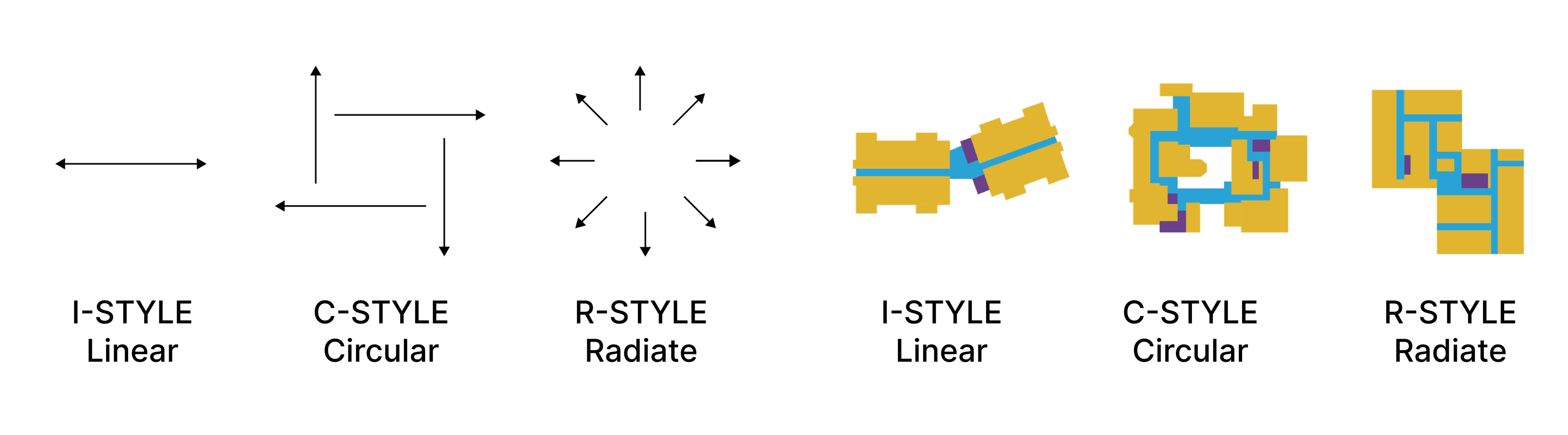
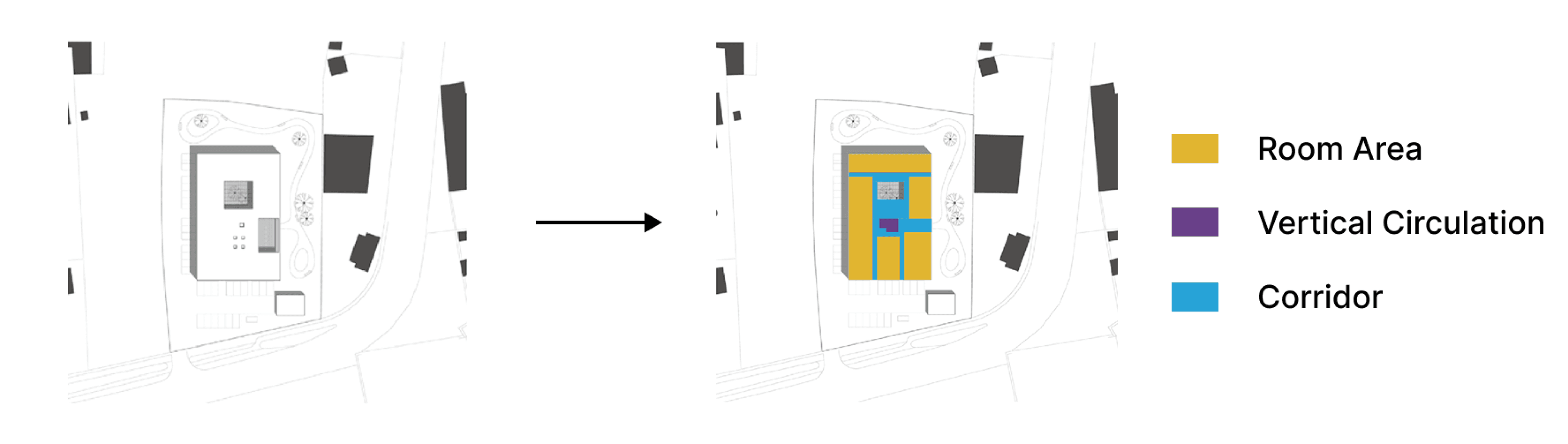
The study focuses on elderly care facilities due to their complex design needs, such as circulation, accessibility, and environmental integration.Over 180 case studies were analyzed, and these patterns became the core training data for the Al.
Research Result
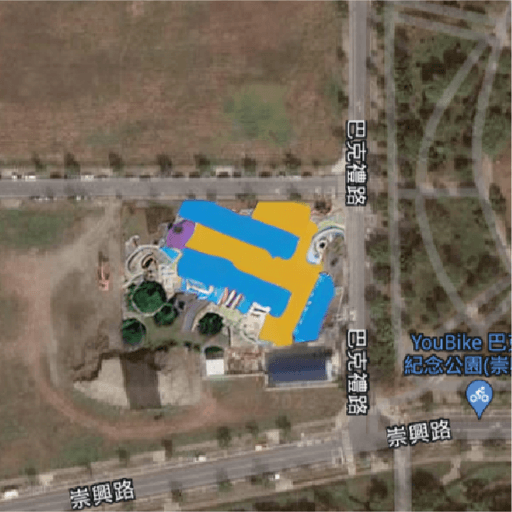
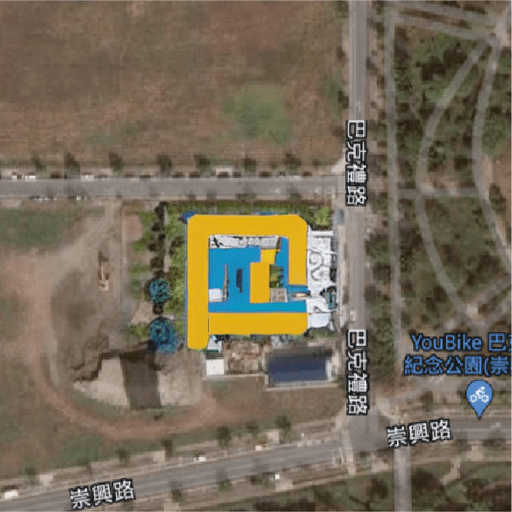
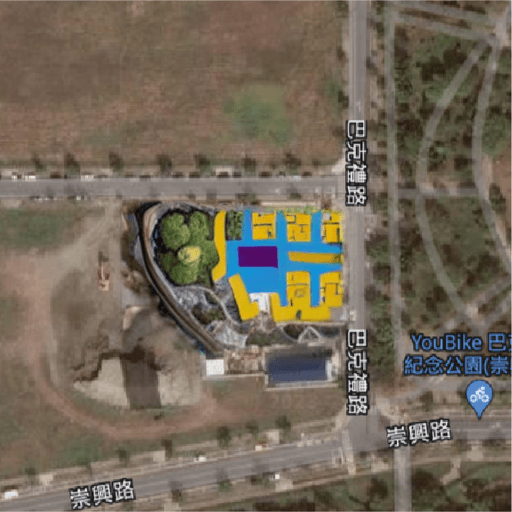
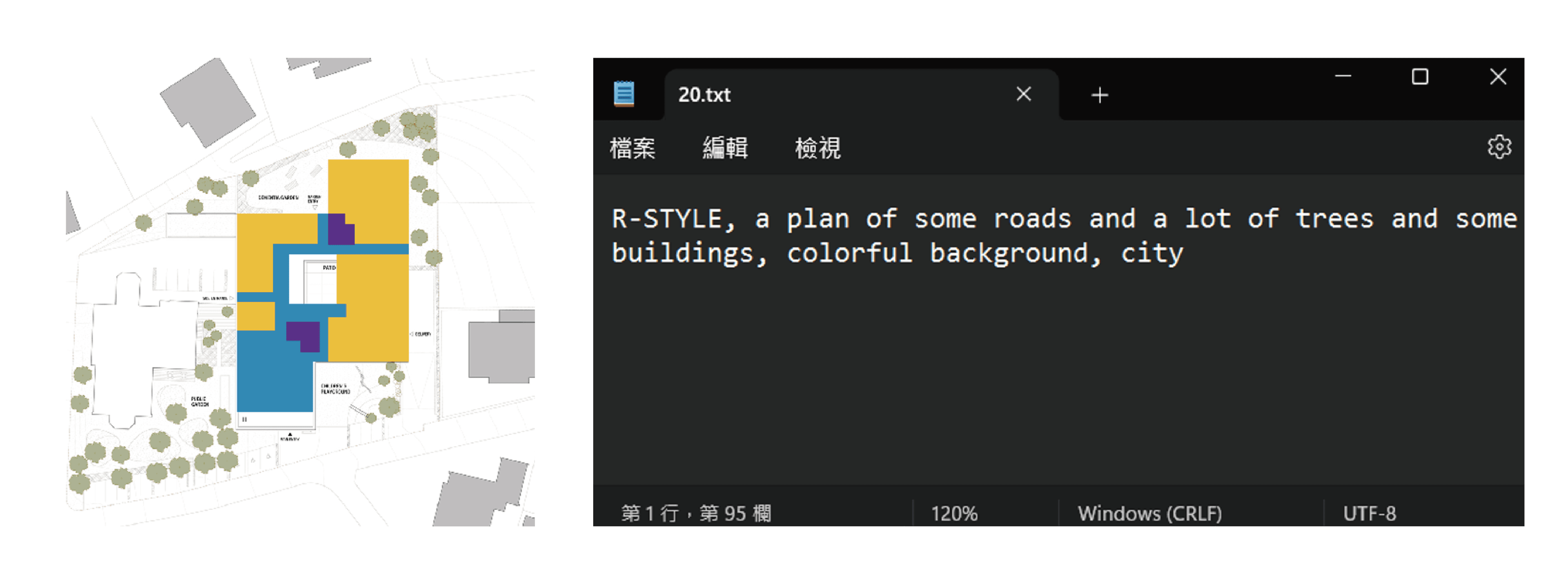
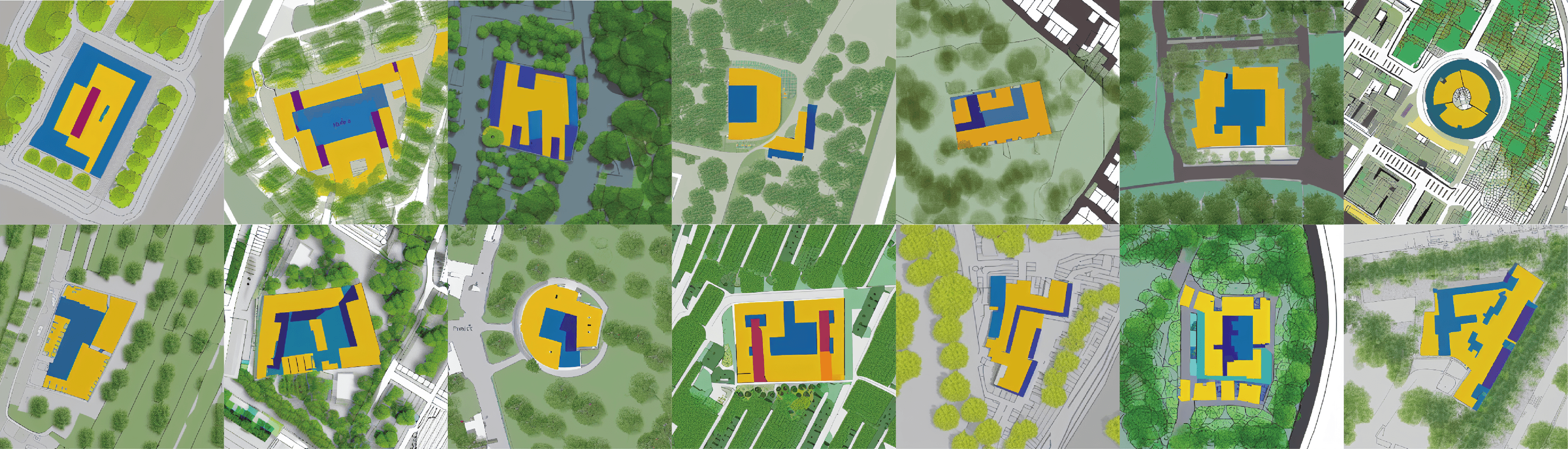
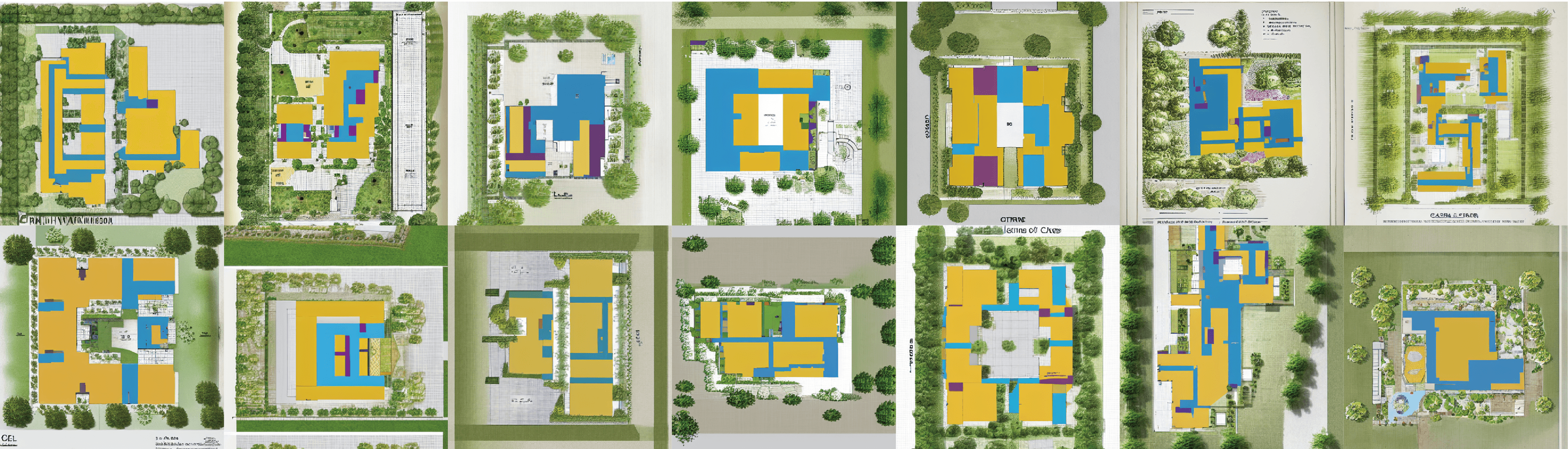
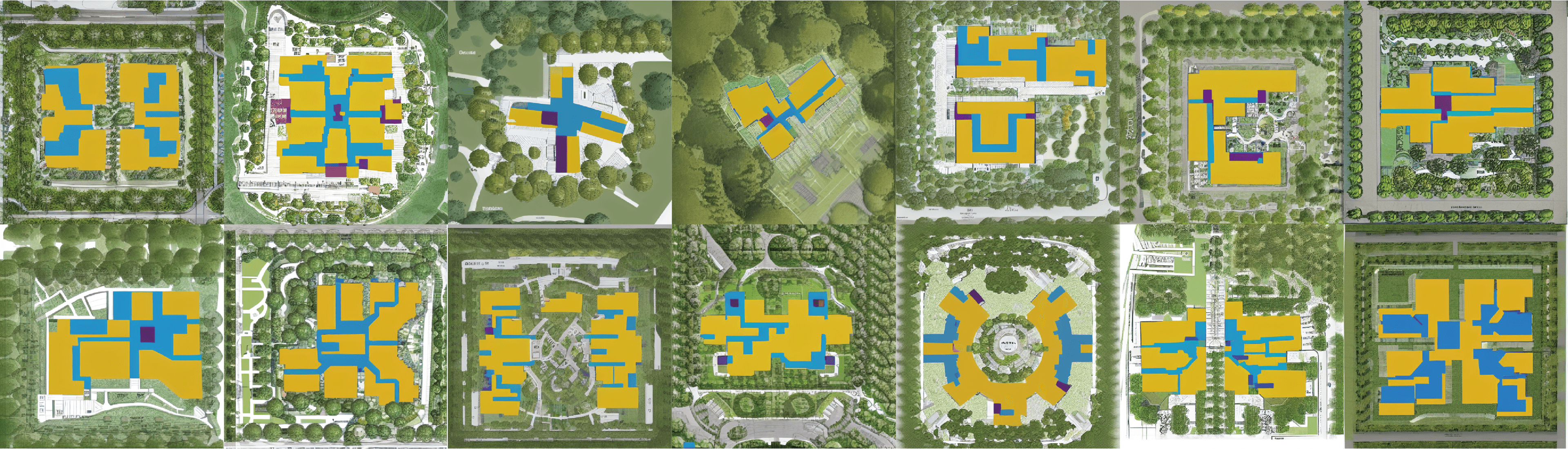
After training, the Al successfully generated site plans reflecting the three circulation types. Circular and radial layouts were represented more clearly, while linear ones were harder to reproduce. The Al also responded well to text prompts, generating roads, trees, and other elements based on descriptions.
Research Application
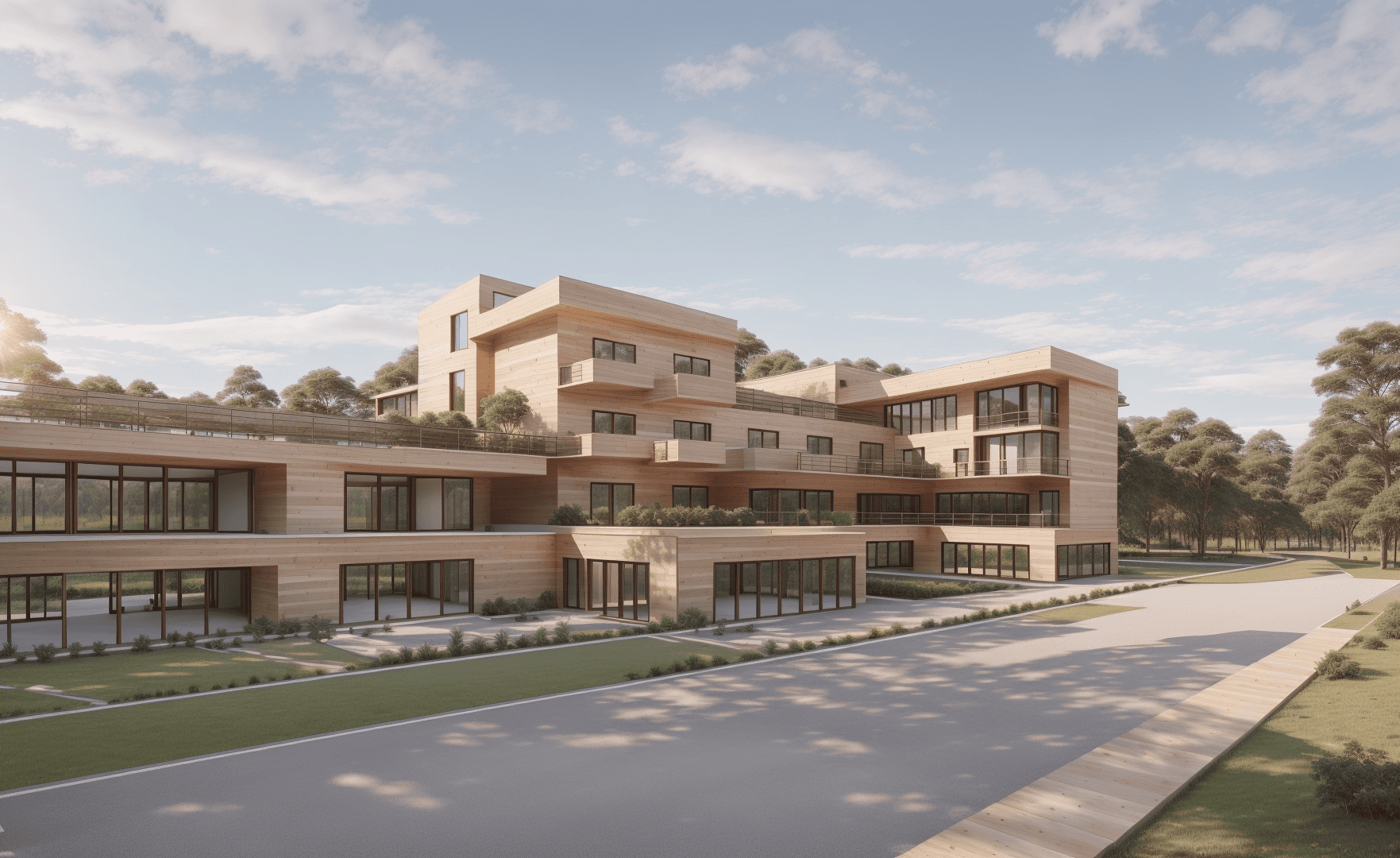
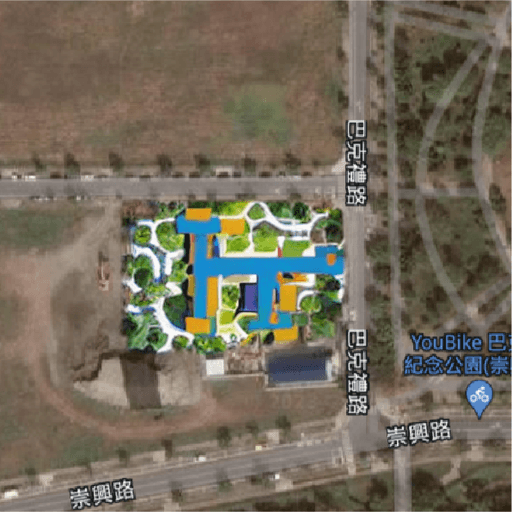
In the final stage, I used the custom tools I developed to select a specific site for design. The Al provided inspiring layout suggestions, which served as valuable references. These generated site plans helped guide my own design decisions and supported the completion of the final proposal.